Hypochlorous acid for skin, what it actually does, and the hype it doesn't
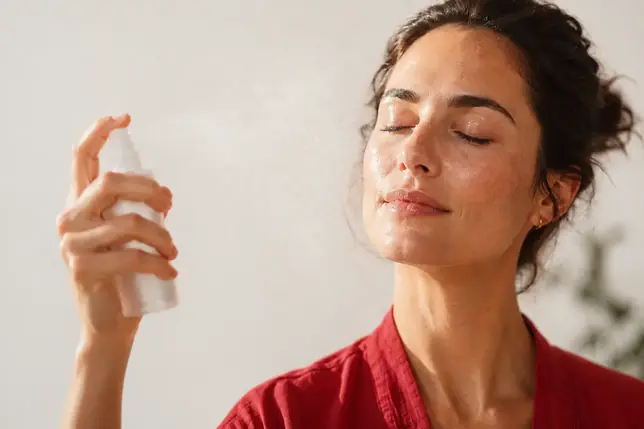
Hypochlorous acid is having a moment. It is on every shelf and all over TikTok, usually as a fine facial mist promising to calm redness, clear breakouts, and rescue irritated skin. The promise is appealing and the price is not small, so the real question is the one the brand pages tend to dodge: is it genuinely worth it, or is it a trend in a pretty bottle? The answer is that it is a real, well studied ingredient with genuine uses, and also one that gets oversold. Here is what hypochlorous acid is proven to do, what is hype, how to use it, and the sprays worth your money.
What hypochlorous acid is
Here is the part that sounds strange and is reassuring: hypochlorous acid, or HOCl, is something your own body already makes. Your white blood cells produce it as a first line defense to kill bacteria and calm inflammation. The version in skincare is made in a lab by running an electric current through simple salt water. It shares ingredients with bleach but it is not bleach, it is far gentler, and at skincare strength it will not lighten your skin or your clothes. It works as a mild antimicrobial and anti inflammatory, which is why it shows up for irritated, breakout prone, and reactive skin.
What it is proven to do
This is where it earns its place rather than its hype. Peer reviewed dermatology reviews credit topical HOCl with real, repeatable effects:
- Eczema and irritation. It lowers Staphylococcus aureus, the bacteria that drives many eczema and atopic dermatitis flares, and calms the inflammation behind redness and itch.
- Acne. Its antibacterial and anti inflammatory action helps breakout prone skin. One clinical study reported it performed about as well as benzoyl peroxide, the long standing gold standard.
- Wound healing and post procedure care. Its strongest evidence is in medicine, where it has long been used on chronic wounds, ulcers, and surgical sites, which is why dermatologists reach for it after procedures.
- Soothing reactive skin. Rosacea prone, sensitive, post workout, and post mask skin tend to tolerate it well and find it calming.
It is also genuinely gentle. The reviews describe it as well tolerated and safe, with no major adverse effects reported, which is a big part of the appeal for skin that reacts to everything else.
And the part the hype skips
Two caveats. First, the evidence is real but not airtight. Many of the skin studies are small and the results are not perfectly consistent, and the researchers themselves call for more work to pin down the best concentrations. So treat the bold before and after promises with some salt. Second, and more important, it is an add on, not a replacement. Hypochlorous acid calms and supports, but it will not resurface skin like a retinoid or clear stubborn acne like a full benzoyl peroxide routine. Think of it as the soothing layer around your actives, not the active itself. Used that way it is excellent. Expected to be a miracle, it disappoints.
The best hypochlorous acid sprays
SkinSmart Antimicrobial Facial Cleanser
The pick with the deepest pile of happy reviews, by far, and a sensible price for the size. It is a simple hypochlorous acid formula that reviewers with sensitive, acne prone skin call a genuine game changer, gentle enough to use daily without drying or stinging. Several note it is very similar to the cult Tower 28 spray for less money. The only recurring quibble is a faint chlorine smell, which some people like as a clean scent and others barely notice. If you want the most proven, best value bottle, start here.
Loved
- Huge, consistent review base
- Gentle on sensitive, acne prone skin
- Strong value for the size
Gripes
- Faint chlorine smell
- A calming step, not a full acne fix
Tower 28 SOS Daily Rescue Facial Spray
The spray that brought hypochlorous acid into the mainstream, and still the one with the credentials. It is pH balanced for the face and carries the National Eczema Association's Seal of Acceptance, which is why it is the go to for genuinely reactive, eczema and rosacea prone skin. Reviewers reach for it in the morning, after the gym, and after makeup removal to head off redness and breakouts. It costs a little more per ounce than the value picks, but if you want the most vetted, sensitive skin first option, this is it.
Loved
- National Eczema Association seal
- pH balanced, dermatologist tested
- Trusted for very reactive skin
Gripes
- Pricier per ounce
- Small bottle in the standard size
grace & stella Hypochlorous Acid Spray
The cheapest way in, and a clean one. It is a minimal four ingredient mist with the lightest fresh scent, and reviewers love it as a quick post workout and midday refresh that calms without any sting. It has a smaller review base than the others and people describe it more as a soothing reset than a treatment, so set expectations accordingly. But for a gentle, no fuss bottle to keep in your bag at this price, it is hard to argue with.
Loved
- Lowest price here
- Minimal, four ingredient formula
- Great post workout refresh
Gripes
- Smaller review base
- More soothing than treating
Magic Molecule Hypochlorous Acid Spray
The all rounder for skin that flares in more than one way. It is fragrance free, sting free, and marketed for dozens of skin issues, and the reviews back the breadth, with people using it on inflamed breakouts, itchy rashes, and eczema, one crediting it alongside their usual lotion for real eczema relief. It is the priciest of the four, and the wide list of uses can read as marketing, but the consistent feedback for sensitive and breakout prone skin is genuine. A good choice if you want one bottle for face and body.
Loved
- Fragrance free, no sting
- Works for face and body, including eczema
- Gentle for sensitive, breakout prone skin
Gripes
- Most expensive of the four
- Broad claims read as marketing
How to use it, and where it fits
Mist it onto clean, dry skin and let it air dry for a minute before your next product, morning and night or any time skin feels hot and reactive. It plays well with the actives that tend to sting: a calming mist of hypochlorous acid before niacinamide, or around a benzoyl peroxide or retinol step, can take the edge off without cancelling them out. It is also the obvious thing to keep by the gym bag, after sweat, or after a facial, mask, or in office treatment. One practical note: hypochlorous acid is unstable and breaks down with light, heat, and time, slowly reverting toward plain salt water, so buy it in opaque packaging, store it cool and out of the sun, and mind the expiry date rather than hoarding a bottle for years.
A real, gentle tool, used for the right job.
Hypochlorous acid genuinely calms irritation, lowers the bacteria behind acne and eczema flares, and soothes reactive and post procedure skin, and it is remarkably well tolerated. Just keep it in its lane: it is the calming layer around your routine, not a replacement for your retinoid or acne treatment. For most people the SkinSmart spray is the best value way to try it, Tower 28 is the most vetted pick for very reactive skin, and grace & stella is the easy budget bottle.
This article is general education and our editorial opinion, not medical advice. Patch test new products and see a dermatologist for persistent or severe skin concerns.
Frequently asked questions
What does hypochlorous acid do for skin?
It is a gentle antimicrobial and anti inflammatory your immune cells make naturally. On skin it calms redness and lowers the bacteria that feed acne and eczema flares. Reviews report it reduces Staph aureus on eczema prone skin, and one study found it about as effective as benzoyl peroxide for acne. It is a calming add on, not a replacement for proven actives.
Is it just a trend, or does it really work?
Both. It is genuinely useful and well studied in wound care, with real evidence for eczema, acne and post procedure healing, so it is not pure hype. But many skin studies are small and not perfectly consistent, and it will not replace a retinoid or a benzoyl peroxide wash. A real, gentle tool, not a miracle.
Can you use it every day and with other actives?
Yes. It is well tolerated for daily, even twice daily use on sensitive skin. Mist it on clean, dry skin and let it dry before your other products. It layers well around niacinamide, retinol or benzoyl peroxide and can soften the irritation those cause.
Who should use a hypochlorous acid spray?
Sensitive, reactive, acne prone, eczema prone or rosacea prone skin, and anyone calming post workout, post mask or post procedure irritation. Gentle enough for most people and ages. Patch test if you have a known chlorine sensitivity.
How do you know if it has gone bad?
It is unstable and breaks down with light, heat and time, reverting toward salt water. Buy it in opaque packaging, store it cool and out of sunlight, and respect the expiry. Past its date it mostly just stops doing much, so replace it.
Sources & further reading
- "Hypochlorous Acid: Clinical Insights and Experience in Dermatology and Other Specialties", peer reviewed
- "Status Report on Topical Hypochlorous Acid", Journal of Clinical and Aesthetic Dermatology
- "What Is Hypochlorous Acid Spray?", WebMD
- Aggregated verified purchase customer reviews, Amazon, cross checked across two sources (as of June 2026)