Aztec clay mask review, does Aztec Secret Indian Healing Clay actually work?
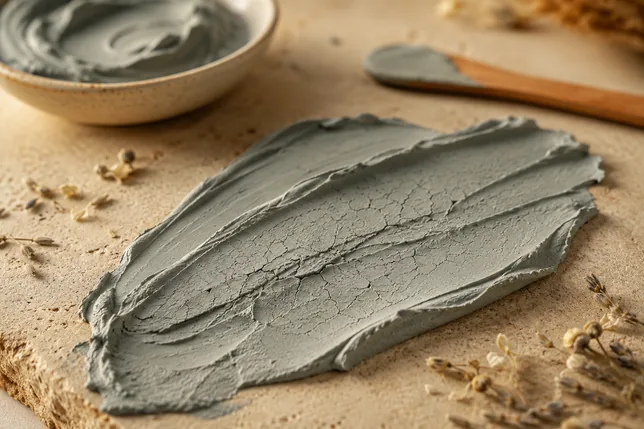
It might be the most divisive jar in skincare, a fifteen dollar tub of grey green powder you mix into a paste, slather on, and feel literally tightening on your face. Aztec Secret Indian Healing Clay is 100 percent calcium bentonite clay, it holds a 4.6 star average across more than 99,000 Amazon ratings, and it sells around 6,000 jars a month. It is also one of the most over promised products online, with marketing that claims it beats retinol. We cross checked the rating, pulled the recurring themes from real buyers, read the actual clinical research on clay masks, and separated what holds up from what is just hype. Here is whether the cult clay mask earns a spot in your routine, and who should skip it.
What is the Aztec clay mask?
The ingredient list is one line, 100 percent natural calcium bentonite clay, a fine clay formed from aged volcanic ash. Bentonite is a smectite clay made mostly of montmorillonite, and its appeal is physical, not chemical. The clay carries a negative surface charge and a high capacity to bind positively charged particles, so as it dries on your skin it absorbs excess oil and lifts dirt, debris, and surface bacteria out of clogged pores. That is the pulling and tightening the brand markets as feel your face pulsate, the sensation of the clay contracting as it dries. You mix the powder with equal parts water or raw apple cider vinegar into a paste, apply a thin layer, let it dry, and rinse. The key thing to understand is what it is, a periodic deep cleansing treatment for oil and congestion, not a daily step and not a moisturizer. If you are still working out whether your skin even runs oily or is just dehydrated, sort that first.
Aztec Secret Indian Healing Clay
The original cult bentonite clay mask, a single ingredient deep clean for oily, congested, and breakout prone skin. Dirt cheap, one tub lasts months, and the research on clay for oil and mild acne backs the core promise. Mix with water or apple cider vinegar.
Loved
- Genuinely clears congestion, blackheads, and oil
- Pores look smaller, skin clearer with regular use
- Dirt cheap, one tub makes 20 to 30 masks
- One clean ingredient, no fragrance or additives
- The deep clean reset oily skin loves
Gripes
- Drying, can leave skin tight or red
- Too harsh for dry, sensitive, or reactive skin
- Messy to mix and to rinse off
- The vinegar mix can sting and smells strong
- Easy to overdo and irritate your barrier
What the science says
Clay masks are one of the better studied natural skincare formats, so we do not have to guess. In a clinical study of 60 adults with oily or combination skin, a twice weekly clay mask over four weeks significantly reduced measured sebum, improved skin texture and evenness, and lowered transepidermal water loss, without raising irritation (clinical study, NCBI). A separate randomized controlled trial found a bentonite based facial mask improved acne severity as an add on treatment (randomized trial, NCBI). So the core promise, that bentonite clay absorbs oil and helps clarify congested, breakout prone skin, is genuinely supported.
What is not supported are the dramatic claims. The product's own video leans on lines about beating retinol and reversing age, and those do not hold up. Clay does not do what a retinoid does, it does not build collagen or fade lines, and the bentonite that helps oily skin works on the surface, not deep in the dermis. Treat it as a periodic deep clean for oil and congestion, judged over weeks, not a transformation, and it delivers exactly what the research says it should.
What real users say
Based on aggregated verified purchase reviews on Amazon (4.6★, 99,000+ ratings, as of June 2026). We summarize recurring themes from real buyers rather than reproduce individual reviews.
Across nearly 100,000 ratings, the feedback splits cleanly into what people love and the catch almost everyone runs into.
It deep cleans like nothing else at the price. This is the headline praise. Oily and acne prone reviewers describe pores looking smaller, blackheads and congestion clearing, and skin looking visibly brighter and clearer with regular use. The recurring phrase is some version of I cannot believe this is under fifteen dollars, and many note that one tub lasts months.
The tightening sensation is real, and a little intense. Buyers consistently describe the mask pulling and hardening as it dries, exactly as the brand promises. Most find it oddly satisfying, a sign it is working, though first timers are often surprised by how tight it feels.
The redness and dryness are the universal catch. The most repeated caution, even in five star reviews, is that skin can look red and feel tight or dry afterward, especially if you leave it on too long or use it too often. Fans manage it by keeping sessions short, mixing with water instead of vinegar, and moisturizing right after.
The downsides
The big one is drying and irritation, and notably the brand does not hide it. The label itself warns to limit the mask to 5 to 10 minutes on delicate skin to avoid redness and drying, says slight redness is normal and fades in about 30 minutes, and recommends a forearm patch test before facial use. That candor is useful, it tells you this is a strong, active treatment, not a gentle one. Leave it on too long, or use it too often, and a drawing clay can strip your barrier and leave skin tight, flaky, and irritated.
The apple cider vinegar question matters here. Vinegar makes the mask more potent, but it also adds a real risk of stinging and irritation, and it smells strong. Water is the gentler mix, and for most people it is the better starting point. The mask is also genuinely messy, to mix, to apply, and to rinse, the dried clay can clog a drain, so wipe most of it before you wash.
The most important caveat is fit. This is a clay built to draw oil out of skin, which is the opposite of what already dry, sensitive, rosacea, or eczema prone skin needs. For those skin types it can make things worse, not better.
Who it's for, and who should skip it
The Aztec clay mask is close to ideal if your skin is oily, combination, congested, blackhead prone, or occasionally breakout prone and you want an affordable, periodic deep clean. It is also a strong pick if you like a single, clean ingredient with no fragrance or additives. Skip it, or use it rarely and carefully, if your skin is dry, sensitive, rosacea prone, eczema prone, or your barrier is already compromised, in which case a gentler, more hydrating approach will serve you far better than a drawing clay.
How to use it without overdoing it
Mix equal parts clay and liquid into a smooth paste, water for a gentler mask or raw apple cider vinegar for a stronger, more potent one, in a non metal bowl with a non metal utensil, as the label instructs, glass, ceramic, or plastic all work. Smooth a thin one eighth to one quarter inch layer onto clean skin. Leave it 5 to 10 minutes for sensitive or delicate skin, up to 15 to 20 for normal or oily skin, then rinse with warm water and moisturize right after. Once a week is plenty for most skin, more often only for very oily or problem skin. Patch test on your forearm first, and if you are new to it, start with water and the shorter time, then work up. If it burns or your skin stays red, rinse immediately and shorten the next session.
Make sure you buy the real one
This product is widely counterfeited, so buy from a reputable seller. The genuine current version, labeled Version 2, ships with Transparency by Amazon authenticity codes plus laser printed lot numbers and an expiration date on the base of the jar. If those markers are missing, treat it as suspect.
Worth it, if your skin is oily or congested.
For oily, combination, and breakout prone skin, the Aztec clay mask is a genuinely effective, almost absurdly cheap deep clean, and the clinical research on clay for oil and mild acne backs the core promise. It is not a retinol, not an everyday step, and not for dry, sensitive, or reactive skin, where it can do more harm than good. Used right, once a week, mixed with water, kept short, and followed with moisturizer, it earns its cult following. Used wrong, it will leave your barrier raw. Know which camp you are in and it is one of the best value treatments in skincare.
Check the current price on Amazon →This article is general education and our editorial opinion, not medical advice. Patch test new products, and see a dermatologist for persistent or severe skin concerns.
Frequently asked questions
Does the Aztec clay mask work?
For oil and congestion, yes. Clinical studies show clay masks measurably reduce sebum and help mild acne, and reviewers with oily, congested skin report clearer skin and smaller looking pores with regular use. It will not fade lines or replace a retinol, so judge it as a deep clean, not a transformation.
Should I mix it with water or apple cider vinegar?
Water is the gentler option and the better starting point for most people. Apple cider vinegar makes the mask more potent but also more likely to sting and irritate, and it smells strong. If your skin is at all sensitive, use water.
Why does my face turn red or feel like it is pulsing?
The tightening and pulsing is the clay drying and contracting on your skin, which is normal. Mild redness afterward is also normal and the brand says it fades in about 30 minutes. If it stings, burns, or stays red, rinse it off and use it for less time next round.
How often should I use it?
Once a week is enough for most skin. Only very oily or problem skin should go more often. Overusing a drawing clay dries the skin and can irritate your barrier, so more is not better here.
Can dry or sensitive skin use it?
With caution, or not at all. This is a strong, oil absorbing clay, so dry, sensitive, rosacea, or eczema prone skin should skip it or use it rarely, mixed with water, kept short, and always followed with moisturizer.
Why does it say not to use a metal bowl?
The label instructs you to mix it in a non metal bowl with a non metal utensil. Glass, ceramic, or plastic all work, and since it costs nothing to follow, just use one of those.
Sources & further reading
- "Comprehensive assessment of the efficacy and safety of a clay mask in oily and acne skin", clinical study, NCBI
- "The therapeutic effects of a bentonite based facial mask on acne severity", randomized controlled trial, NCBI
- "Acne: tips for managing", American Academy of Dermatology
- Aggregated verified purchase customer reviews, Amazon (4.6 stars, 99,000+ ratings, as of June 2026)