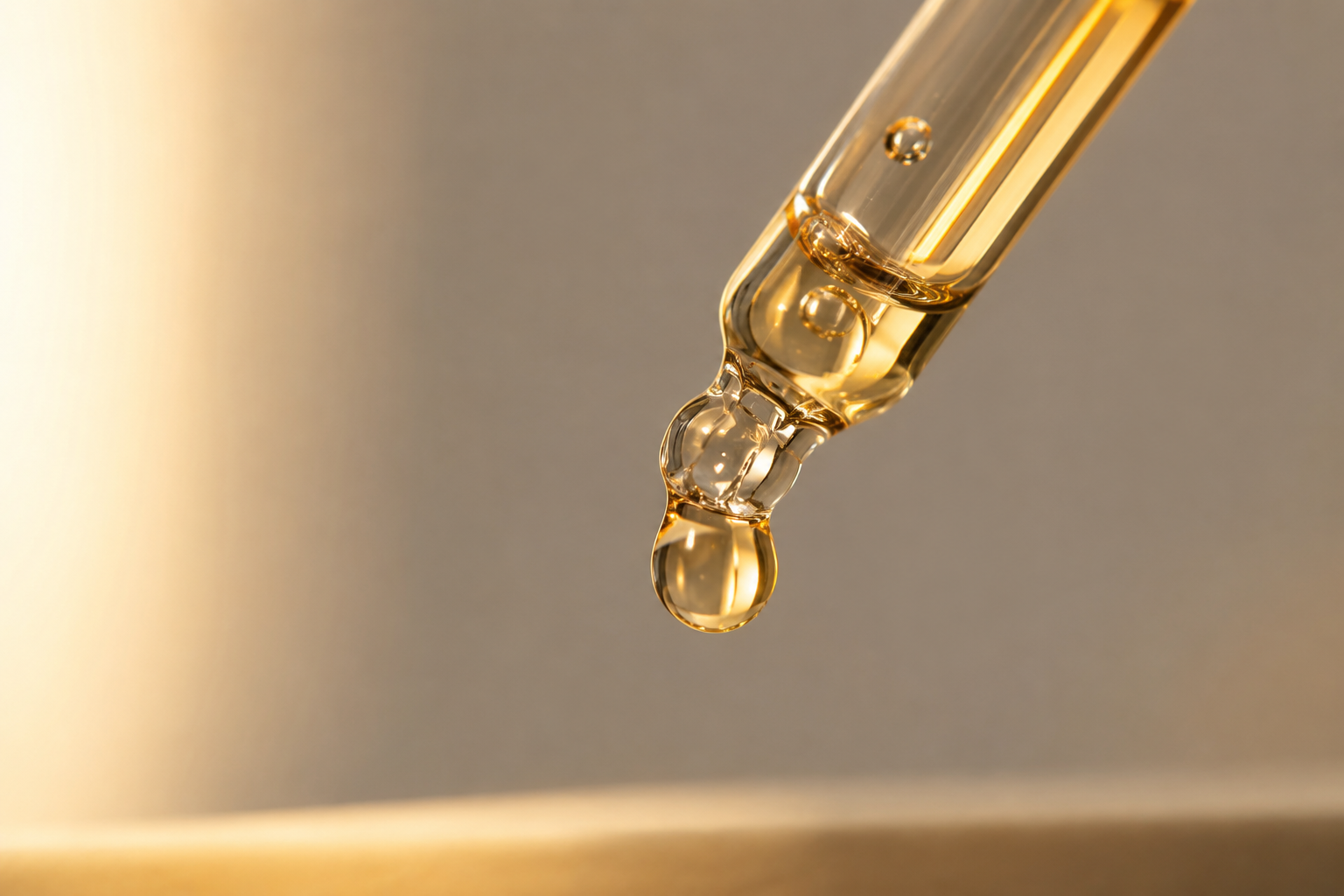
EltaMD UV Clear sunscreen review, is it worth $45?
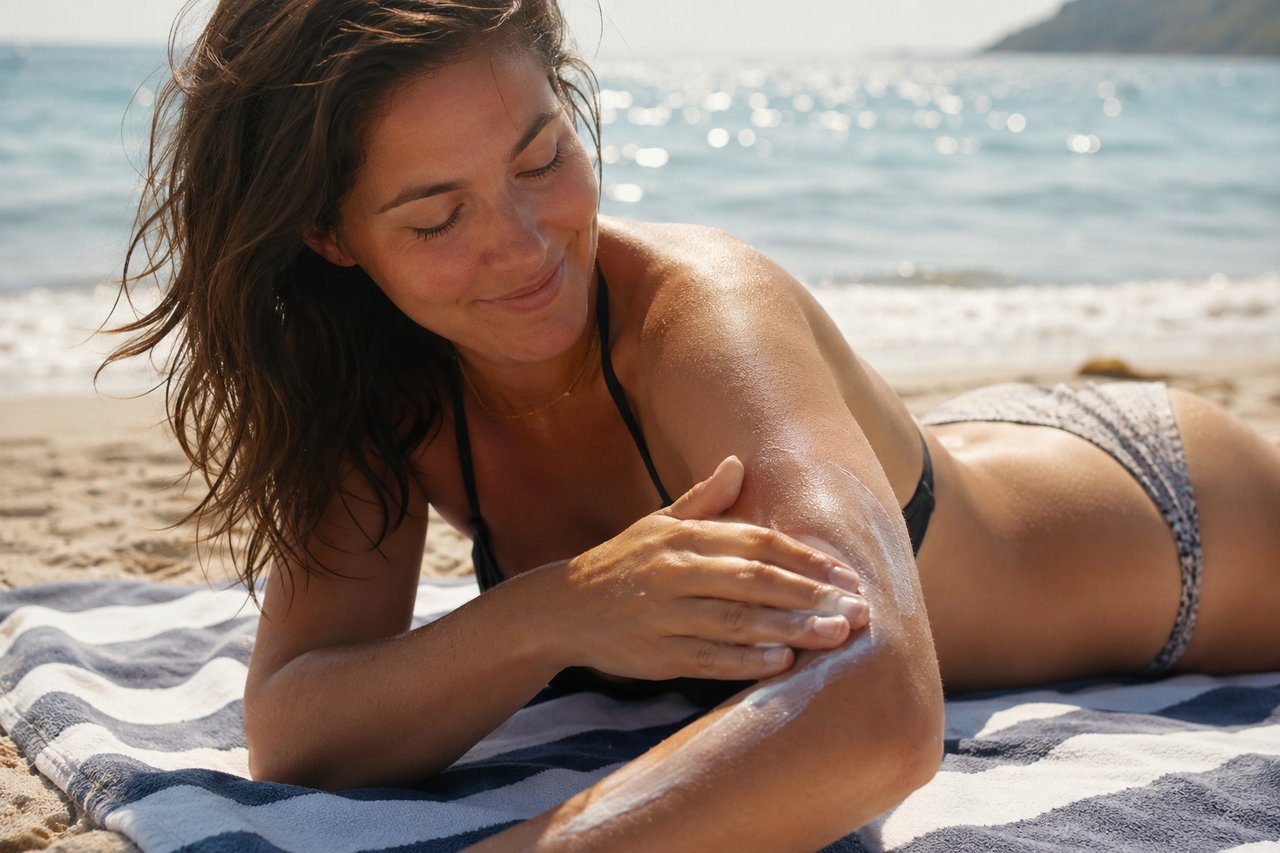
Ask a dermatologist to name one face sunscreen and there is a good chance EltaMD UV Clear comes up. It has become the default answer for sensitive and acne prone skin, with a 4.5 star average across nearly 69,000 Amazon ratings to back the reputation. It is also $45 for a small bottle, which is a real ask when the drugstore shelf is full of $15 options. We read the verified reviews, looked at what the formula actually does, and pulled out the honest picture, including the complaints. Here is whether this EltaMD sunscreen earns its price.
What is EltaMD UV Clear?
It is a daily face sunscreen, SPF 46, built around transparent zinc oxide so it protects without the chalky white film mineral sunscreens are known for. What makes it unusual is that it is formulated like skincare. It carries niacinamide to calm redness and support clearer looking skin, plus hyaluronic acid to keep the finish comfortable instead of drying. And it leaves out the usual suspects. It is oil free, fragrance free, paraben free, and non comedogenic, which is exactly why dermatologists reach for it when a patient has acne, rosacea, or skin that protests everything. If you want the full story on what niacinamide does, we break it down in what niacinamide actually does.
EltaMD UV Clear Face Sunscreen SPF 46
Zinc oxide face sunscreen with niacinamide and hyaluronic acid. Oil free, fragrance free, non comedogenic. 4.5 stars across nearly 69,000 Amazon ratings. The sunscreen dermatologists keep recommending for acne prone, sensitive, and redness prone skin.
Check it on Amazon →What real users actually say
Based on aggregated verified purchase reviews on Amazon (4.5★, 68,000+ ratings, as of June 2026). We summarize recurring themes from real buyers rather than reproduce individual reviews.
For a product this hyped, the reviews are remarkably aligned. A few themes repeat constantly.
It disappears into the skin. The single most repeated point is the finish. Lightweight, fast absorbing, no white cast, no grease, and no sting around the eyes. Several reviewers call it the first sunscreen that feels like nothing on the skin, and that matters more than it sounds, because the best sunscreen is the one you will actually wear every single day.
It behaves on acne prone and sensitive skin. Buyers with reactive, breakout prone skin repeatedly report no clogged pores and no new breakouts. Some go further and credit it with calmer, clearer, more even skin over time, pointing to the zinc and niacinamide. One reviewer with rosacea calls it the best product they have found for their redness.
It is the sunscreen people pair with strong actives. A theme we see across the best skincare products shows up here too. People on tretinoin and retinol routines, where daily SPF stops being optional, pick UV Clear because it protects without irritating skin that is already working hard. If you are starting that journey, read how to use retinol without the peeling first.
It works under makeup. Reviewers wear it as a primer layer on makeup days and on its own otherwise, and the tinted version doubles as very light coverage.
The honest downsides
Three things come up, and you should know all of them before spending $45.
The price. The most telling four star review is titled "Good sunscreen, but expensive," and that is the whole debate in one line. Nobody argues it performs badly. The argument is whether an elegant finish and a gentle formula are worth three times the drugstore price. For sensitive and acne prone skin that has rejected cheaper sunscreens, most buyers land on yes. For everyone else, it is a luxury, not a necessity.
Very oily skin can still shine. The same four star reviewer notes it made their oily skin shine despite the non greasy claim. The finish is natural rather than matte, so if you want a flat, powdery look on oily skin, you may need a touch of powder over it.
It can pill if you rub it. A handful of reviewers hit pilling, and one supplies the fix in their own review. Pat it into the skin instead of rubbing, use a reasonable amount, and give it a minute to set before makeup. Same advice we gave for Toleriane Double Repair, and it solves it for most people.
What's great
- No white cast, absorbs fast, feels like nothing
- Gentle on sensitive, acne prone, and rosacea prone skin
- Niacinamide calms redness while it protects
- Plays well with tretinoin and retinol routines
- Works under makeup, tinted version adds light coverage
What to know
- $45 for 1.7 oz, the price is the real debate
- Natural finish, very oily skin may still shine
- Can pill if rubbed in, pat it instead
- Buy from a reputable seller, counterfeits of cult products exist
Who it's for
UV Clear makes the most sense if you have sensitive, acne prone, or redness prone skin and sunscreens keep breaking you out or stinging. It is also the easy pick if you are on retinol or tretinoin and need an SPF you will genuinely wear every morning, or if you have simply given up on sunscreens that feel heavy and look chalky. If none of that describes you and the budget matters, our routine pages also include a solid mineral option at a third of the price, and the honest truth is that any sunscreen you wear daily beats a fancy one you skip.
How to use it
Morning cleanse, any serum, moisturizer if you use one, then UV Clear as the last skincare step, then makeup if you wear it. Use a generous amount, about two finger lengths for the face, and pat the last of it in rather than rubbing. Reapply every two hours when you are actually in the sun. Sunscreen is also the step that makes every other product work, your brightening serum and your retinol are both fighting damage the sun keeps adding, which is why we put SPF in every routine we build.
How it compares
Against the CeraVe 100% Mineral Sunscreen SPF 30, the budget pick on our routine pages, UV Clear wins on finish and elegance while CeraVe wins on price. The CeraVe is a real mineral sunscreen that does the job, but it is more likely to show a cast and feel like a layer. Against trendy lightweight imports, UV Clear's advantage is the niacinamide and the track record on acne prone skin. Within the EltaMD line, UV Daily is the more hydrating everyday option for normal and dry skin, while UV Clear is the one for breakouts, redness, and sensitivity. That is the version this review covers, and it is the one with the cult following.
Worth it for the right skin. UV Clear nails the hardest job in skincare, making sunscreen something you actually want to wear. It is gentle, invisible, and kind to acne prone and reactive skin, and nearly 69,000 ratings back that up. The price is real and very oily skin may want powder over it, but if sunscreen has always been the step you skip, this is the one that fixes that, and that protection is worth more than the $45.
Check the current price on Amazon →This article is general education and our editorial opinion, not medical advice. Patch test new products and see a dermatologist for persistent irritation or any skin concern.
Frequently asked questions
Is EltaMD UV Clear worth the money?
For sensitive, acne prone, or redness prone skin, most buyers say yes, because it is the sunscreen they finally wear daily without breakouts or irritation. If your skin tolerates everything, a good drugstore SPF protects just as well for less.
Does it leave a white cast?
The untinted version uses transparent zinc oxide and reviewers across many skin tones report no visible cast once it absorbs. The tinted version adds light warmth and coverage.
Is it good for acne prone skin?
Yes, this is its signature use case. Oil free, non comedogenic, and verified buyers repeatedly report no new breakouts, with some crediting the zinc and niacinamide for calmer, clearer skin.
Why SPF 46 instead of SPF 50?
SPF 46 is simply where this formula tested. The practical difference between 46 and 50 is tiny. Applying enough, and reapplying, matters far more than those few points.
Can you wear it under makeup?
Yes. It is one of the most repeated praises in the reviews. If it pills, use less, pat it in, and give it a minute to set before foundation.
Sources & further reading
- "Sunscreen FAQs", American Academy of Dermatology
- "Nicotinamide and the skin", review of niacinamide in dermatology literature
- Aggregated verified purchase customer reviews, Amazon (4.5 stars, ~69,000 ratings)