How to use benzoyl peroxide (PanOxyl) without drying out your skin
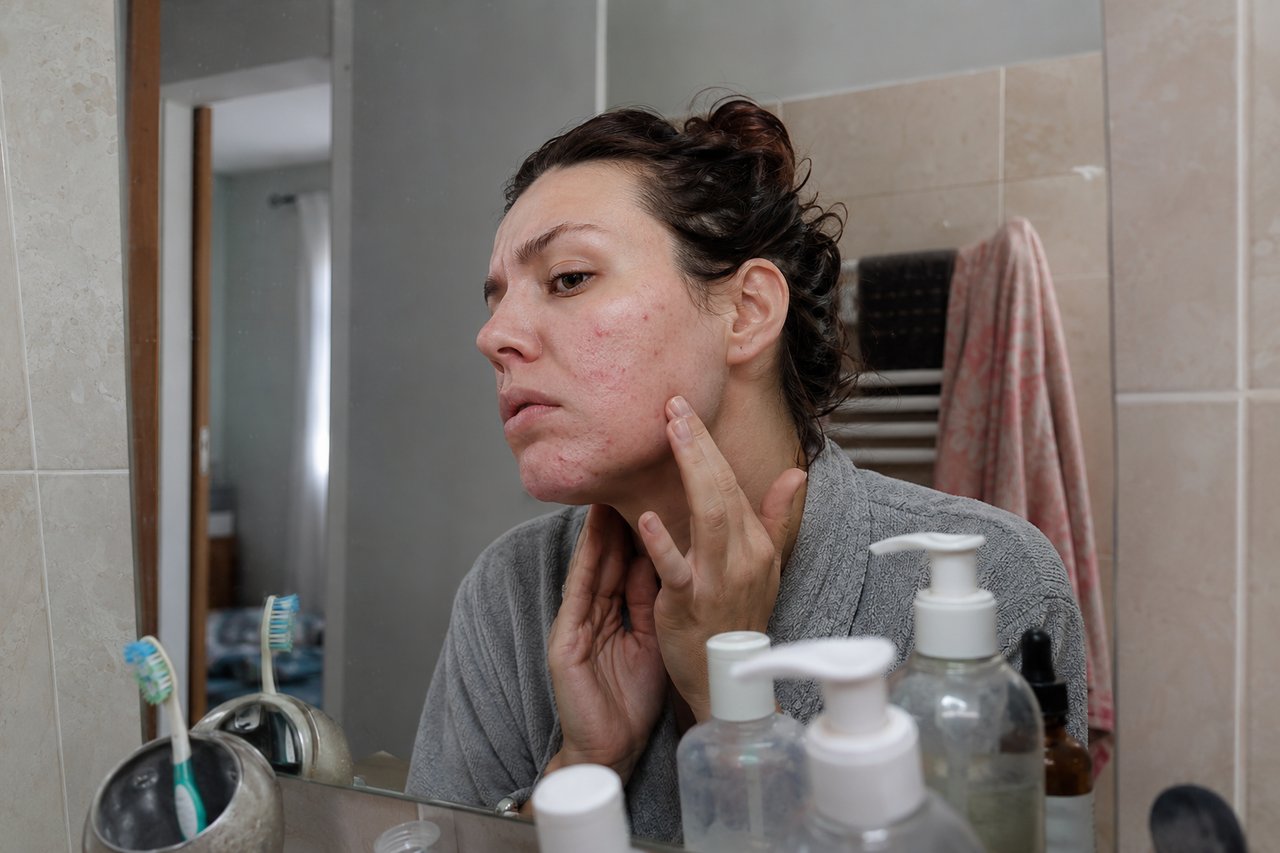
Benzoyl peroxide is one of the most proven acne treatments there is. It is also one of the easiest to misuse. People grab a strong wash like PanOxyl, scrub with it twice a day, skip moisturizer because their skin feels oily, and within two weeks they are red, tight, and peeling, convinced their skin just cannot handle it. The truth is the ingredient works. The routine around it is usually what is broken. Here is how to use benzoyl peroxide the right way, the one product that fixes the dryness almost everyone runs into, and how to add gentle exfoliation without wrecking your barrier.
Does benzoyl peroxide actually work?
Yes, and it is not close. Benzoyl peroxide kills the bacteria that drive inflammatory acne (the red, angry kind), helps clear clogged pores, and reduces oil. Dermatologists reach for it first with mild to moderate acne, and it has decades of evidence behind it. The catch is that it works by oxidizing, which is great for bacteria and not so great for your skin barrier. That oxidizing action is exactly why it dries you out, and why the strength you choose and the way you use it matter so much.
Strength is the first decision. PanOxyl makes a 4% and a 10% benzoyl peroxide wash. Higher is not automatically better. Research shows lower concentrations kill acne bacteria about as well as higher ones while causing far less dryness and irritation. If you are new to it or have sensitive skin, starting lower and building up is the smarter move. The 10% is the strongest option for stubborn breakouts and body acne, but it demands a more careful routine.
How to use PanOxyl the right way
PanOxyl is a wash, not a treatment you leave on, which changes how you use it. Wet your skin, work the foam in gently for one to two minutes so the benzoyl peroxide has contact time, then rinse thoroughly. You do not leave it on. A few rules keep it from turning into a peeling disaster.
Start slow. Once a day to begin, or even every other day if your skin is reactive. Build up to twice daily only once you know you tolerate it.
Always moisturize after. This is the step most people skip and it is the single biggest reason benzoyl peroxide "does not work" for them. More on the right moisturizer below.
Mind the fabric. Benzoyl peroxide bleaches towels, pillowcases, and dark shirts on contact. Use white towels and rinse your hands well.
Wear sunscreen. Benzoyl peroxide makes skin more sensitive to the sun, so a daily SPF 30 or higher is part of the routine, not an extra.
Benzoyl peroxide works. The dryness comes from using it too often and skipping moisturizer. Wash once a day to start, follow with a ceramide moisturizer every time, exfoliate on separate nights, and wear sunscreen.
The routine that actually holds up
The reason this particular set works is that each piece covers a job the others create. The wash clears acne but dries you out, so you need barrier repair. Clogged pores and texture need gentle exfoliation, but not on the same night as the wash. Put together, these three are the combination shoppers most often buy together for exactly this routine. One honest note before the links.
PanOxyl 10% Benzoyl Peroxide Acne Foaming Wash
The workhorse. A strong 10% benzoyl peroxide wash that clears the bacteria behind acne on the face and body. It is genuinely effective and inexpensive, with over 80,000 ratings at 4.6 stars. Treat it with respect. Start once a day, keep the lather on for a minute or two, rinse, and never skip the moisturizer after. If the 10% feels too strong, PanOxyl's 4% wash is a gentler way in.
Check it on Amazon →Medicube Zero Pore Pad 2.0
Pads with two textures, soaked in 4.5% lactic acid (an AHA) and 0.45% salicylic acid (a BHA) that loosen dead surface cells and clear out the clogged pores benzoyl peroxide does not fully reach. Swipe the textured side over clean skin, then the smooth side to calm. The important part is to use these on the nights you are not using benzoyl peroxide, two to three times a week at most, so you are not exfoliating from two directions at once.
Check it on Amazon →La Roche-Posay Toleriane Double Repair Face Moisturizer
This is the piece that makes the whole routine sustainable, and the one most people are missing. It is oil free, fragrance free, and will not clog pores, built with ceramides and niacinamide to rebuild the barrier benzoyl peroxide strips. It will not make acne worse, and it is the difference between "benzoyl peroxide destroyed my face" and "benzoyl peroxide cleared my skin." Apply it after every wash, morning and night.
Check it on Amazon →Prices change, so check the current price on Amazon. The point of the set is the order you use them in. Clear with the wash, refine with the pads on separate nights, and repair the barrier after every single use.
Can you use exfoliating pads with benzoyl peroxide?
Yes, but timing is everything. Both benzoyl peroxide and exfoliating acids work on the surface of your skin, so layering them on the same night is how people end up over exfoliated, red, and stinging. The fix is simple. Keep them apart. Use benzoyl peroxide on its nights, use the exfoliating pads on the other nights, and cap the pads at two or three times a week. Many people also do benzoyl peroxide in the morning and a salicylic acid step at night. Either way, the rule is the same. Never sand the same skin from two directions at once. If you are unsure how often to exfoliate in the first place, start with our guide on how often to exfoliate.
The moisturizer is the part that fixes the dryness
If you remember one thing, make it this. The dryness people blame on benzoyl peroxide is almost always a missing or wrong moisturizer. The right one is oil free, fragrance free, will not clog pores, and built around barrier ingredients like ceramides, niacinamide, glycerin, and hyaluronic acid. Skip heavy fragrant creams and oils that clog pores. Applied after every wash, a moisturizer like Toleriane buffers the irritation, keeps your barrier intact, and lets you actually stay on benzoyl peroxide long enough to see it work. Niacinamide is a great supporting ingredient here because it calms redness while you adjust.
The full morning and night order
Morning. Benzoyl peroxide wash (or a gentle cleanser on rest days), then Toleriane moisturizer, then sunscreen. Sunscreen is not optional once you are on benzoyl peroxide.
Night, alternating. On benzoyl peroxide nights, just wash and moisturize. On the other nights, cleanse, use the exfoliating pads, then moisturize. Leave at least one or two plain recovery nights a week where you just cleanse and moisturize. Your barrier needs the rest as much as your acne needs the treatment.
Signs you are overdoing it
Your skin signals trouble before it gets bad. Early on you will feel a tight, squeaky sensation after washing, stinging from products that never bothered you, and a flat, tired look. Push past that and you get visible flaking, lingering redness, and small bumps in places you do not normally break out. That is a stripped barrier, not progress. The fix is fewer products, not more. Pause the actives for a week or two, cleanse gently, moisturize, wear sunscreen, and let your skin settle before reintroducing benzoyl peroxide on fewer days than before.
Who should go slow, or skip it
Benzoyl peroxide is powerful, so ease in if your skin is sensitive or your barrier is already irritated. Patch test on your inner arm or jaw first. If you are pregnant or breastfeeding, talk to your doctor before starting. And if breakouts are severe, cystic, or not improving after a couple of months of consistent use, see a dermatologist. Prescription options work where store bought washes cannot.
This article is general education, not medical advice. Patch test new products and see a dermatologist for persistent, severe, or cystic acne, or any skin concern.
Frequently asked questions
Can you use benzoyl peroxide and salicylic acid together?
Yes, but not stacked on the same night when starting out. Both exfoliate, so combining them can dry out your skin. Alternate them on different nights, or use benzoyl peroxide in the morning and salicylic acid at night, and build up slowly.
What moisturizer should you use with benzoyl peroxide?
An oil free, fragrance free one that will not clog pores, with ceramides, niacinamide, glycerin, or hyaluronic acid. La Roche-Posay Toleriane Double Repair is a popular pick because it rebuilds the barrier benzoyl peroxide dries out without clogging pores.
Does PanOxyl dry out your skin?
It can, especially the 10% formula. Dryness and light peeling are common early on. Start once a day, keep contact time short, and always follow with a barrier moisturizer. If peeling is heavy, reduce frequency.
How often should you use PanOxyl?
Begin with one wash a day, lathered on the skin for one to two minutes before rinsing. Build to twice daily only if your skin tolerates it. Dryness means dropping back to once a day or every other day.
Can you use exfoliating pads with benzoyl peroxide?
Yes, if you space them out. Use the pads on the nights you are not using benzoyl peroxide, and limit them to two or three times a week so you do not over exfoliate.